A Message From Kahu: Sep 15th, 2022

image of Smithsonian museum of African American History & Culture

A Message From Our Kahu

A Wind Too Strong

A hot wind comes from me out of

the bare heights in the desert…

not to winnow or cleanse— 

a wind too strong for that! 

Look! He comes up like clouds,

    his chariots like the whirlwind…

    woe to us, for we are ruined!

Disaster overtakes disaster!

    The whole land is laid waste.

I looked on the earth,

and it was complete chaos,

I looked, and the fruitful land

was a desert.

(Verses from Jeremiah 4)

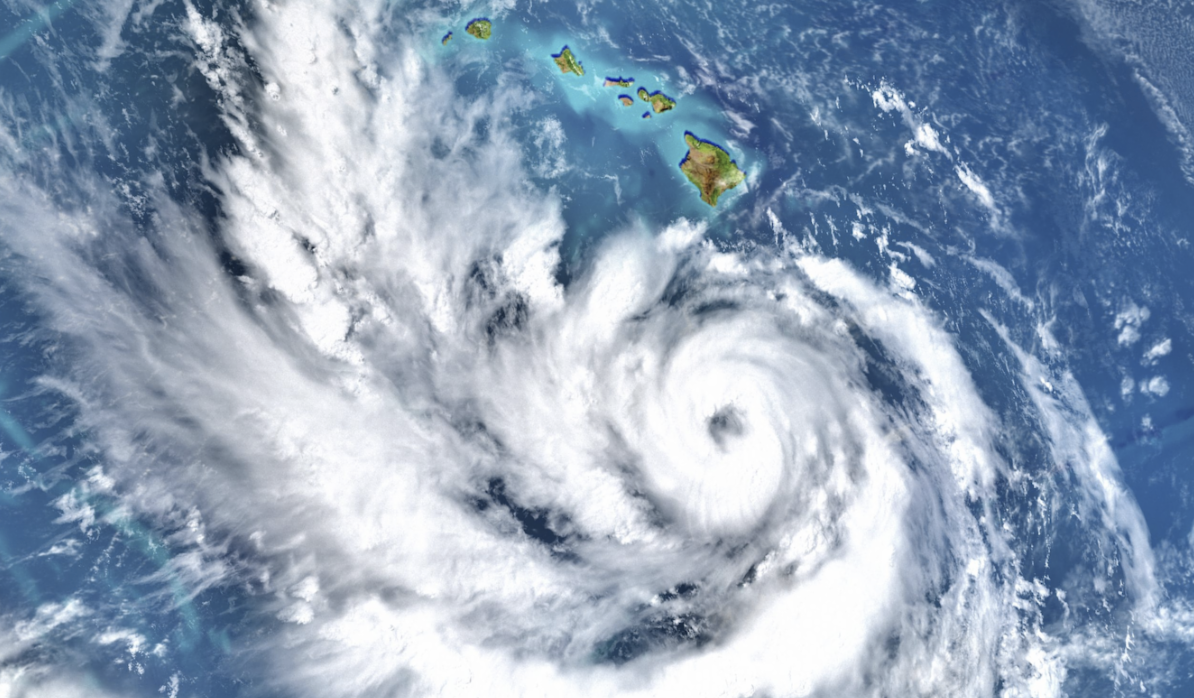
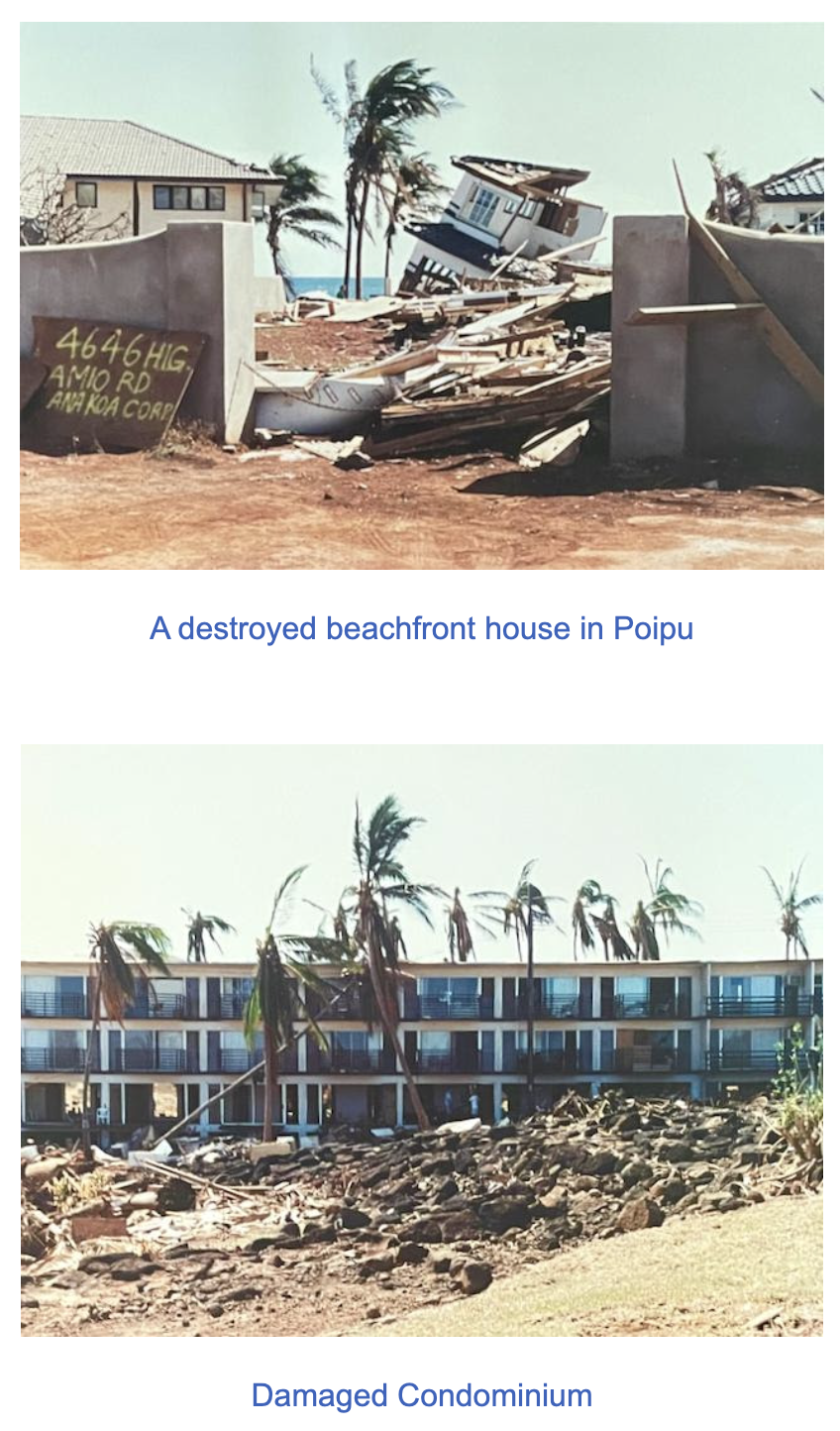
On Sunday, September 11, we remembered Hurricane Iniki on the 30th anniversary of that devastating natural disaster for Kauai. We also remembered the terror attacks on 9/11/01 and the wars that followed, as well as the attack on the U.S. government facilities in Benghazi, Libya, on 9/11/12. During the Call to Worship and Opening Prayer, we gave the congregation a chance to sit in silence in order to remember and to reflect on those and other devastating losses. We also considered what it means to stand in solidarity with those who remain and suffer after such tragedies. We also remembered the importance of standing in solidarity with and encouraging the peacemakers of the world. We cannot escape sadness, loss and death in our lives, but we can remember that God is always present with those who suffer. We can also remember that God’s Spirit shows up like wind—sometimes as a gentle and comforting cool breeze on a hot day, and sometimes like a hurricane to knock us out of our complacency.

In the parables of the Lost Sheep and the Lost Coin in Luke 15, the Gospel reminds us that God deeply loves us at all times, even when we are feeling rather lost and “unaccounted for.” It also reminds us that God loves others just as deeply and, therefore, there is not a single person alive who is any more or any less important than the rest of us. May we treat all people with compassion and understanding, and may we pray for a world where this is the common way of relating to others.

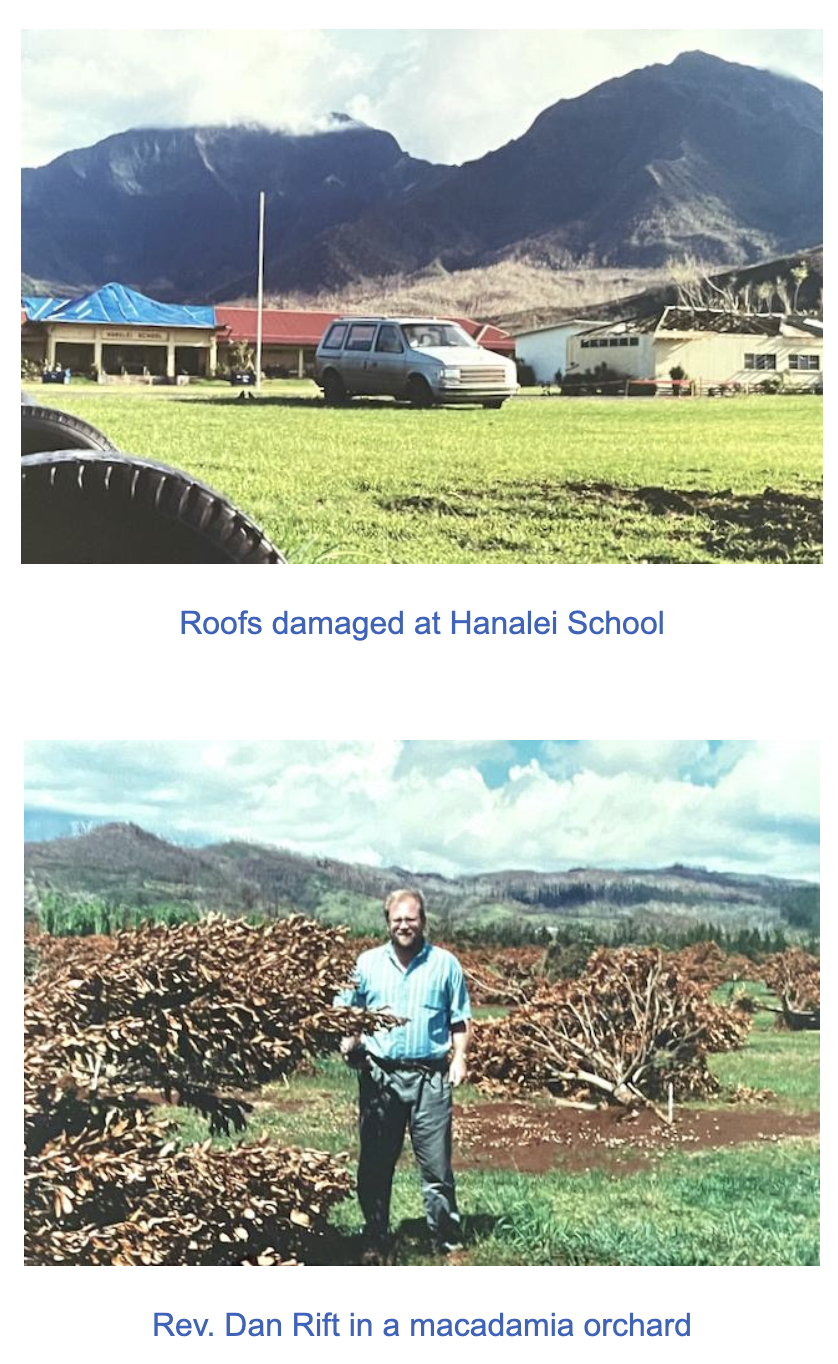
I shared some photos on Sunday from my trip to Kauai just a few days after Hurricane Iniki. I was living in Honolulu and serving on the Hawaii Council of Churches Disaster Relief Task Force and soon became the treasurer of the HCC Iniki Relief Fund. You can see those photos below.

Aloha nui loa!
Kahu Alan Akana
A Message From Kahu: Aug 31st, 2022

image of Smithsonian museum of African American History & Culture

A Message From Our Kahu

“Forgiveness and Humility”

For on this day, atonement shall be made for you, to cleanse you; from all your sins you shall be clean before the Lord. It is a Sabbath of complete rest to you, and you shall humble yourselves…. (Leviticus 16:30-31)

On Sunday, we took a look at the Jewish Day of Atonement, also known as Yom Kippur. According to the Old Testament, this was an important holy day established by God through his humble servant Moses. It was a special day at the end of the Jewish year when people observed an extra day of Sabbath that week on which all of the sins of all the people were forgiven so that they might become humble. It was to be a day of complete rest for everyone so that they could focus on God’s grace and mercy, any sins that the people had done, confession and repentance. This quite naturally led to humility, for it was a reminder that we are all far from perfect even though we are created in the image of God.


I pointed out in my message that the Day of Atonement was to be commemorated by both the native born and the alien. Typically speaking, native born are those who are born within the boundaries of a nation and aliens are those who are born somewhere else. However, this holy day was established in the midst of the 40-year journey of the Hebrew people between Egypt and the Promised Land. There were no national boundaries yet because they had not even arrived at the land where they would settle. However, since the beginning of human language it seems that people have been describing boundaries to distinguish between “us” and “them.” Moses was very clear, however, that forgiveness is for all of us and between all of us. It is for all of us considered “us” and between “us” and “them.” Even before they settled in the land that would eventually become known as “Israel,” Moses insisted on treating outsiders with grace, mercy, compassion and forgiveness—just as much as insiders. He insisted on taking an entire day every year for the people to asks for God’s forgiveness when they failed to act accordingly, so that the people would become humble and act toward others with love and justice.

The Day of Atonement was a time to focus not only individual sins but also an opportunity to reflect on the sins of the entire nation. As we later move in Israel’s history to the time of the prophets, we find that they were adept at pointing out the sins of oppression and injustice. The prophets condemned the leaders of their nation for acting without compassion to the people living on the margins of society: the poor, the hungry, widows, orphans, and aliens. In the minds of the prophets, no one should be left out of God’s grace and abundance. They were passionate about this and risked their lives by insisting that national leaders repent from unjust policies and actions, and that people repent from supporting those leaders. I hope and pray that we will do the same. I also hope that you will remember the message from the previous week that every act and every word of grace and mercy is huge in God’s eyes, even those that seem small to us.

May God grant us wisdom as we seek to live with grace and mercy.


Aloha nui loa!
Kahu Alan Akana

A Message From Kahu: Aug 17th, 2022

image of Smithsonian museum of African American History & Culture

A Message From Our Kahu

Treasures That Last

“For where your treasure is, there your heart will be also.” (Luke 12:34)
On Sunday, we took a look at Jesus’ parable in Luke, chapter 12, where a wealthy farmer had a harvest of such abundance that he tore down all of his barns and built brand new ones in order to store all of his grain that year. Since Luke painted a backdrop of peace for the story he told of Jesus’ life and teaching, we looked at the parable through the eyes of peace. In this context, Jesus didn’t condemn the farmer for his wealth or his success. However, he did condemn him for not sharing it with the poor and hungry, for amassing great wealth at the expense of others, for considering himself as the only actor in the story, and for the audacity of thinking that he could now determine what was required for the contentment of a soul.
At the end of the parable the man dies and ends up bringing nothing with him to his death and leaving nothing of value behind. The clear message is that we should spend as much time as possible during our lives creating things of value, things that bring great contentment to our souls and to the souls of others. There is nothing wrong with money, wealth of possessions. However, if those things are all that we have, then we are missing the whole point of life. Let us consider creating, building and sustaining things that will last long after we are gone, such as our relationships with loved ones, outreach to people living on the margins of society, our church community, other organizations that make a positive difference in the world. When these things are the focus of our lives, our souls are rich and the purpose of our lives is seen even for many, many years after we are gone.
So let us commit our lives to treasures that last!


Aloha nui loa!
Kahu Alan Akana

A Message From Kahu: Aug 3rd, 2022

image of Smithsonian museum of African American History & Culture

A Message From Our Kahu

Clothed with Love

“Above all, clothe yourself with love” (Colossians 3:14)

On Sunday, we took a look at an often misinterpreted passage of Scripture in Colossians, chapter 3, where the writer of the Letter to the Colossians told his readers to “seek the things that are above” and “set your minds on the things that are above, not on the things that are on the earth.” Without reading this passage in the context of the entire letter and what was going on in the church and culture at that time, it would be easy to think that we should all focus on heavenly things and ignore all that is material or earthly. However, the writer has spent two chapters explaining that the fullness of God dwelled in Christ’s body and Christ is in us—carrying the fullness of God into our own bodies. Now in chapter 3, he writes that “Christ is in all.” In other words, Christ is alive and present on the earth and infuses every part of it (including every human being) with the fullness of God. What we learn in Colossians is that the earth is good, as is all of her inhabitants.

Therefore, we ought to put on love—and Christ is love incarnate. What the author means is that we should first strip ourselves of anything that is harmful to the earth or any of her inhabitants and then put on all that Jesus stood for during his life so that when others look at us, they see Christ. The author was in no way giving his readers permission to ignore the earth or her inhabitants. He was not giving them an “out” in terms of their responsibilities as stewards for the planet, their bodies, their community, and the well-being of others. “The things that are above” are all the things we do and think and say that which honors all of creation. So let us put on love and take care of ourselves, our planet, and all that is on it.


Aloha nui loa!
Kahu Alan Akana

A Message From Kahu: July 21th, 2022

image of Smithsonian museum of African American History & Culture

A Message from Our Kahu

“Christ in You”

“The riches of the glory of this mystery, which is Christ in you” (Colossians 1:27)


On Sunday, I invited the congregation to consider the great mysteries of the universe. It seemed especially pertinent since so many of us had just viewed some of the new and amazing images of the universe from the James Webb Telescope which were released to the public during the previous week. It was mind-boggling to see so many galaxies in a small photograph and also to know that the photographs represented just a pinprick of the sky. With trillions of galaxies out there in space, each with billions of stars, there is no question that mystery is here to stay. There will always be more that we don’t know than all that we do—and that goes for God as well as the universe!

According to the Letter to the Colossians, the most important mystery is that the fulness of God is in Christ—and Christ is in you! And because Christ is omnipresent, the fulness of God is in every other human; and not only in every other human, but in all creation. Imagine that: the fulness of God is everywhere in the trillions of galaxies of the universe! I invite you to ponder this for awhile. Consider how you might live differently knowing that the fulness of God is in you and everywhere in the universe. Remember that God is love. Remember that God deeply desires peace and reconciliation between people…and between families…and between communities…and between nations. Let’s live knowing that this is what God wants…and we have the fulness of God within us to do something about it.

Aloha nui loa!
Kahu Alan Akana

A Message From Kahu: July 13th, 2022

image of Smithsonian museum of African American History & Culture
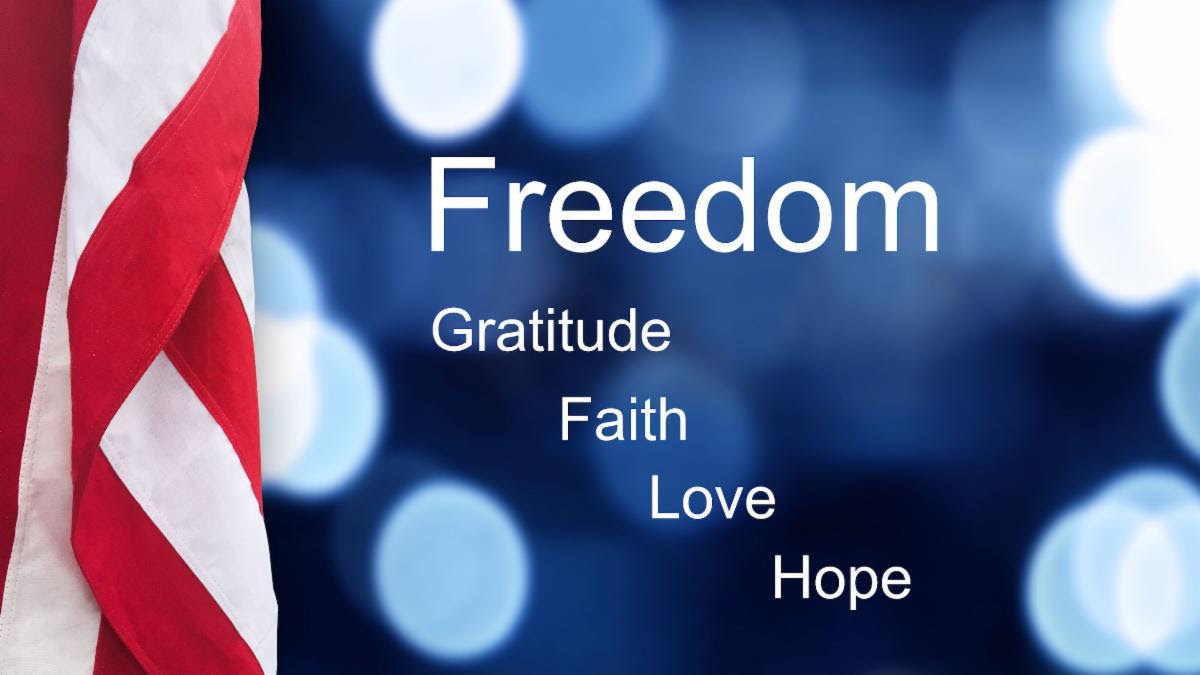
“Gratitude, Faith, Love, Hope”

On Sunday, I told the congregation that this past 4th of July was hard for me to get into the spirit of the holiday. Early in the day, I heard the news about the tragic mass shooting at the Independence Day parade in Highland Park, Illinois. I had spent close to a year there consulting a church with their capital campaign. The former mayor of the town was part of the campaign leadership team, as were other community members. Although it has been nearly 20 years since I was there, I knew that some of those people with whom I worked rather closely would have been at the parade last week. I wondered if any of them were shot. I wondered if any of their family members were killed or injured. I wondered how many funerals they would be attending in the days to come.

To be completely transparent, most of the news these days has been very difficult to hear. I almost dread turning on the radio to NPR every morning. So much of what our country promotes regarding independence and freedom these days seems the opposite of what our founding fathers would have wanted and certainly different from what Jesus and his early followers taught about freedom.

We began this week diving into the Letter to the Colossians and we find in the opening chapter 4 themes that help us both to figure out what freedom meant to Jesus and also how to cope with national politics when so many of our leaders who claim to be followers of Jesus seem to not be following him at all.

Gratitude
Faith
Love
Hope

I encourage you to spend some time reflecting on these four themes—in terms of how they help you to define true freedom and also how they might help you determine a role you might play in helping our society to overcome and end inequality, racism and injustice. May these themes guide us and may they sustain us and help us to thrive as individuals, families, communities and as a nation.

Aloha nui loa!
Kahu Alan Akana